Picture this, walking into the BOLD/T Performance gym, there's a bunch of athletes training. The athletes all look strong, athletic, and engaged with great technique. Then there's the coach, standing back, aware of everyone's position and activity, eager to help out, but not pushing to.
Watch the original training video (opens in a new tab)
Why is this? How are these athletes doing everything so well while the coach stands back?
It's a better program.
Athletic potential is not forced but facilitated. Coaches are facilitators, knowing what to do, when to step in, and also when not to. Coaches should allow the athlete to experiment, learn, and grow by using safe and effective carefully selected exercises.
Great programming and exercise selection allows for less coaching, because the exercise and the associated variables fit the athlete and the desired outcome. More coaching is only needed when trying to fit a person to an exercise.
Forcing people into exercises is not what we do.
Just because your favorite MLB baseball player does deadlifts, does not mean you have to.
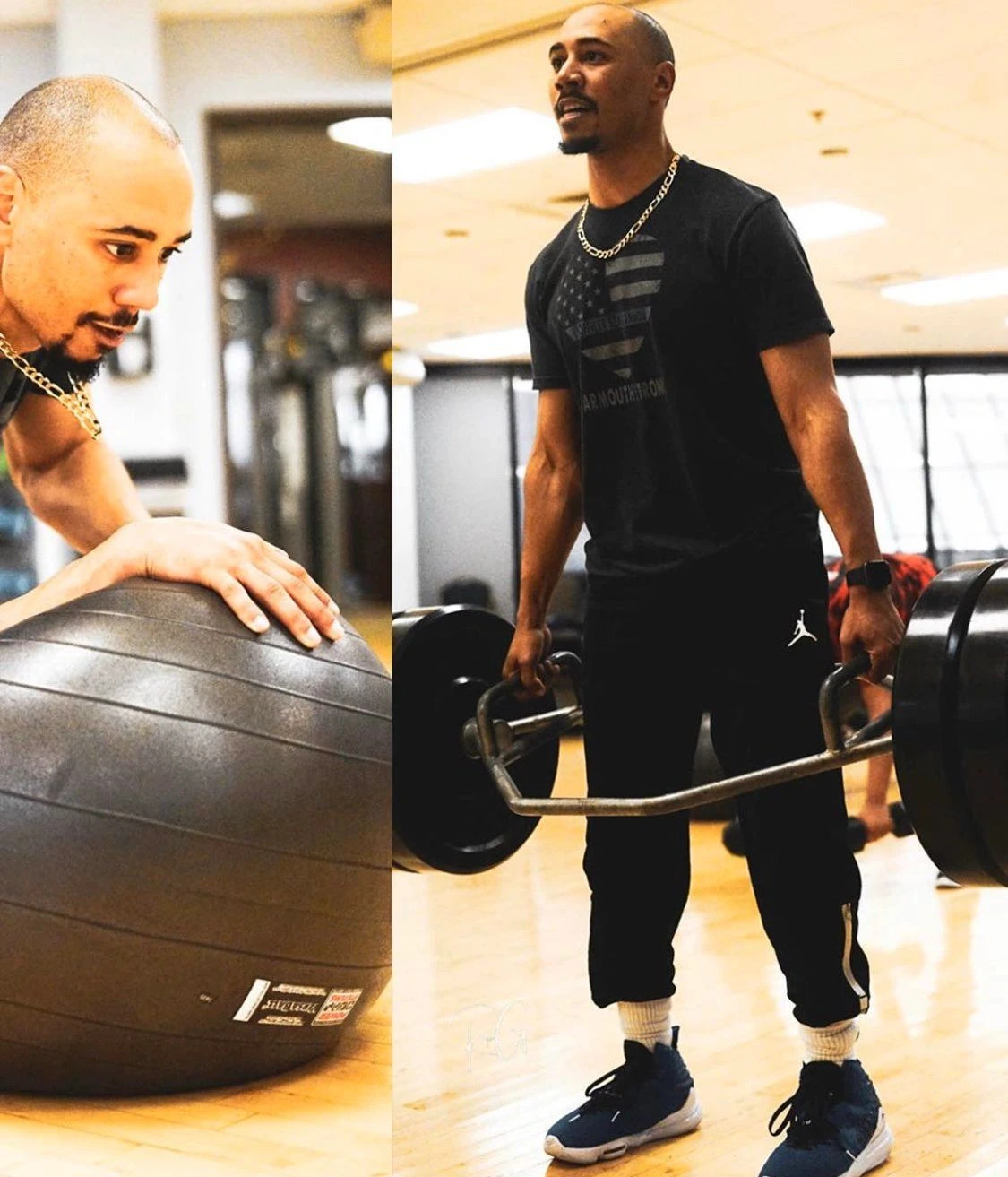
Every exercise has potential benefits and risks. Understanding the athlete, their goal, and their specific physiological and psychological biases helps us choose better exercises.
As stated before better exercises require less coaching. Exercises that fit the individual are like custom shoes, they don't need adjusting.