Why are some people more successful than others?
Genetics, effort, sacrifice, and life circumstance, are some reasons, but how can we understand the success of an athlete more deeply?
Let's use a common experiment...
If nine athletes perform the same exact training program in the same exact environment in hopes to improve their throwing velocity. What results might we see amongst the group?
A very common result would be...
- Three athletes improve their throwing velocity.
- Three athletes don't improve their throwing velocity.
- Three athletes suffer an arm injury.
Why might this happen?
Each athlete has different starting conditions going into the training program.
Differences in body structure play a massive role in what type of response occurs from physical training.
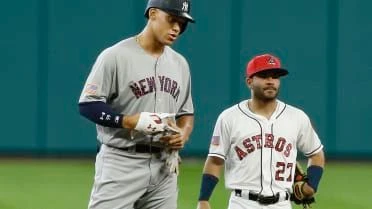
The way we move is based on our structure, and we can manage training to maximize the efficiency of our bodies design.
Without considering structure, the training response will not be precise.
Randomness is always present, but having key performance indicators, considering all the influences, and individualizing the training plan based on a coherent model helps us more clearly aim at our target.
Watch the original training video (opens in a new tab)
People come in with different history. Life circumstances present challenges like injuries, medical diagnoses, and/or emotional distress to name a few.
In the previous example where we have nine athletes all doing the same throwing program. At the start of the program there were three athletes who had limited forearm rotation but they didn't know it. Four weeks into the program the three athletes with forearm limitations start to have elbow pain, while the six other athletes do not.
If we had evaluated first and noticed the limitation, we'd want to eliminate throwing from their training. During the time off from throwing, we could work on forearm rotation for two weeks, making sure to restore the motion. After the motion is restored we start throwing, and increase the likelihood of throwing pain free.
Point is, there are always activities that will interfere with progress towards the goal. In example above, even though throwing velocity is the goal, we'd actually want to initially avoid throwing to make progress.
Great coaches will first identify the interfering activities, and eliminate them from the training plan.
Coaching is about guiding athletes by being a performance/stress manager for them. In the athlete with limited forearm rotation's case, we always re-check on the forearm motion throughout the training process. Even after the pain is gone, and throwing feels good, it's about managing stress and maintaining a healthy degree of forearm motion as throwing continues.
Stress is a keyword here, stress is multifactorial, and there are different types of stress. Without enough properly applied stress, we don't make progress. With too much stress or random stress, we also don't make progress, and probably increase the risk of injury.
Consolidate stress.
Watch the original training video (opens in a new tab)
It can be challenging to balance, work/school, sports, and training. Having a place to go for both sport and training helps consolidate stress so you can go home and recover instead of going to another facility accumulating more and more stress. One coach who knows about all the activities you're doing can fit a plan to help you balance out all the stress in your life so you can make steady improvements.
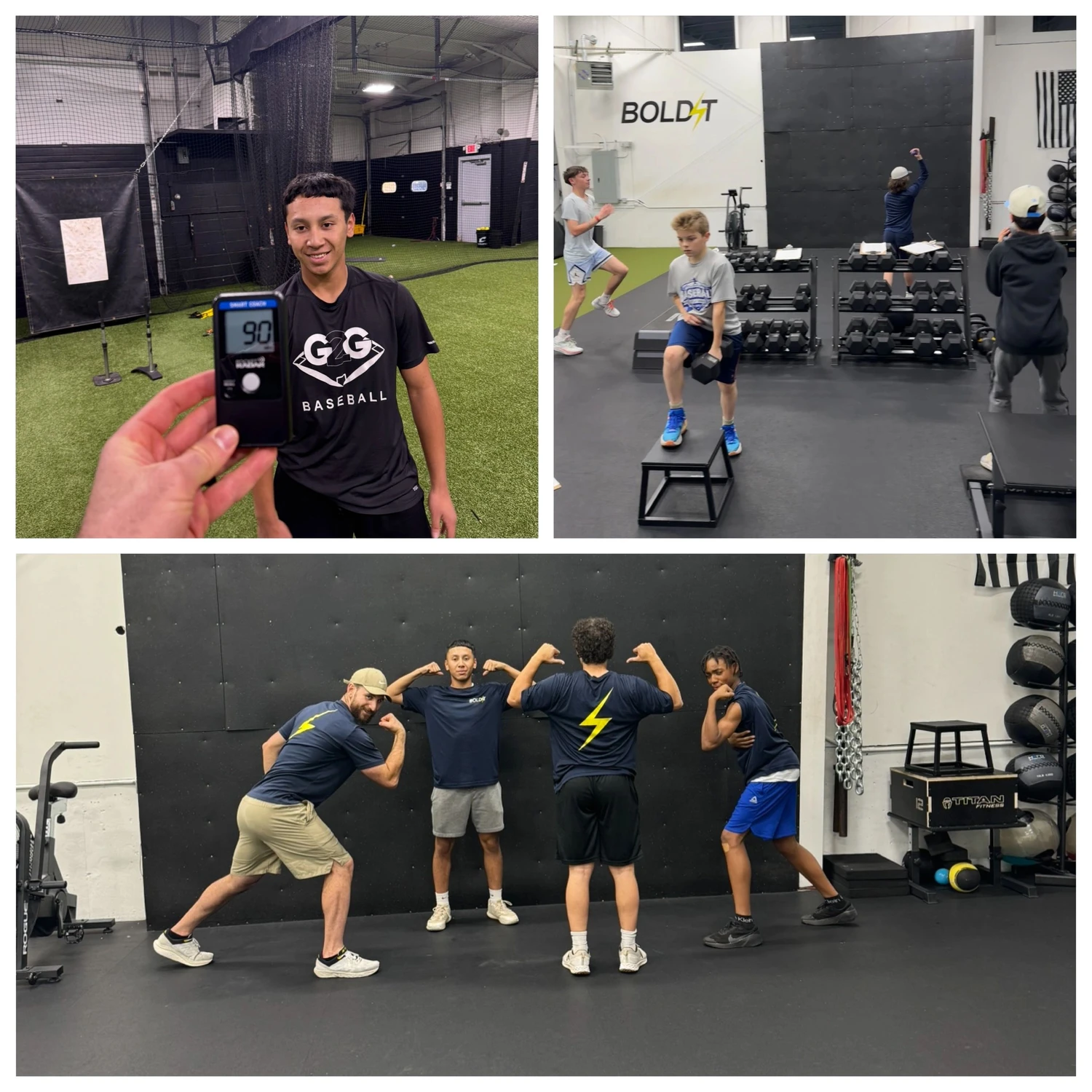
Now that you've identified your structural bias, eliminated all activities that will interfere with your progress, and you've consolidated your stress, you'll want to select useful activities to perform regularly.
Activities in a training program should be ones that consider all the influences, like structure, goal, available movement capabilities, and force/velocity components. Our training model will then help us identify a direction for the long term process based on the desired outcome. Keeping the goal and the model in mind, we then breakdown points of emphasis for each shorter term training plan. We are usually emphasizing certain qualities like specific ranges of motion or components of force production. Exercises include constraints and variables to drive specific adaptations. We will select the appropriate exercises based on the external and internal constraints involved and the intended direction of the short term plan.
Once those exercises are selected, we will need to successfully communicate the purpose so the athlete can understand it. The athlete must perform the exercises with specific intention & technique to allow for the appropriate response. IF we decide the exercise is fitting from an intention and technique standpoint, then we will need to do ENOUGH of it. We will then retest our key performance indicators to ensure we are getting the desired result from the activity.
Watch the original training video (opens in a new tab)
So why are some people more successful than others?
Genetics and life circumstance certainly play a role, but successful people have done something right. They've figured out what worked for them and their body. Professional athletes talk about using different modalities because they are unique individuals and what works for one person doesn't always work for another. Successful people believe in what they're doing, eliminate interfering activities, optimize their schedule, enhance their specific bodies capabilities, and they always have a great coach.
Coaching is about understanding differences in your athletes. It's about knowing all of the influences involved in training, and the effects of certain exercises. We help athletes avoid mistakes by having a deep understanding of the body, stress, and sport. A complete framework based on principles steers us to help all types of people or athletes achieve their goal.
The bottom line is, we need to individualize our training if we want every type of person to get the results they desire.