1. Most professional athletes played more one than one sport as a kid.
Learning to move comes from the constraints placed upon us by the environment and the task.
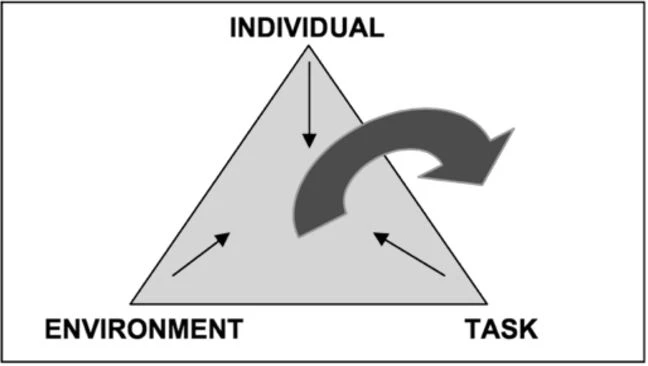
Different sports provide us unique movement problems based on the environment and task. Variable movement problems help us learn to move our body in different ways.
Exposure to multiple types of body movements creates a more extensive library of movement solutions and available usable movement options in sport.

2. IF your child wants to be an athlete it should come from them
Intrinsic motivation: playing a sport because it is inherently interesting or enjoyable.
vs.
Extrinsic motivation: playing a sport because it may lead to an outcome.
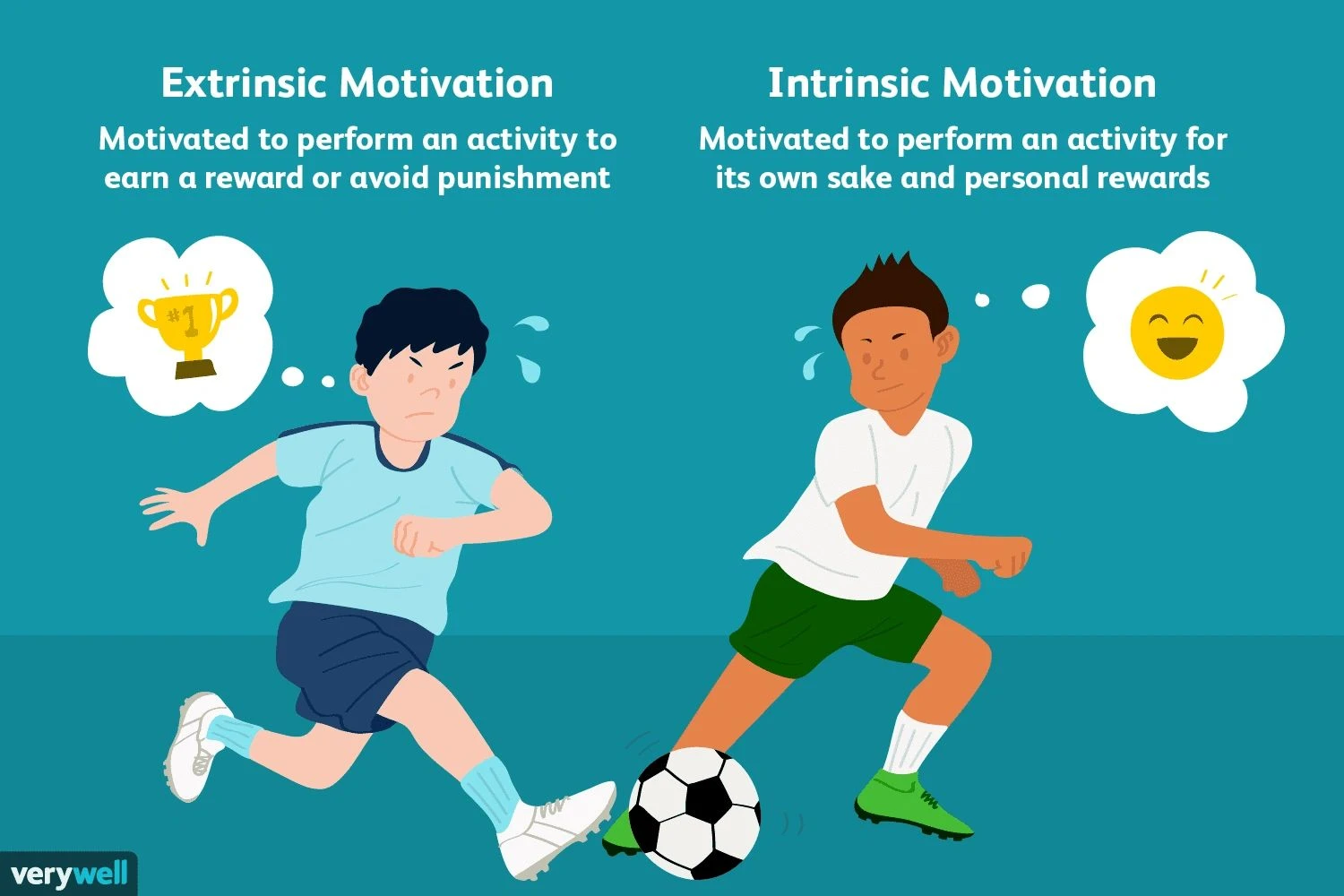
Athletes who perform best at the highest level are intrinsically motivated.
3. It's Not All About Strength
Strength is context dependent.
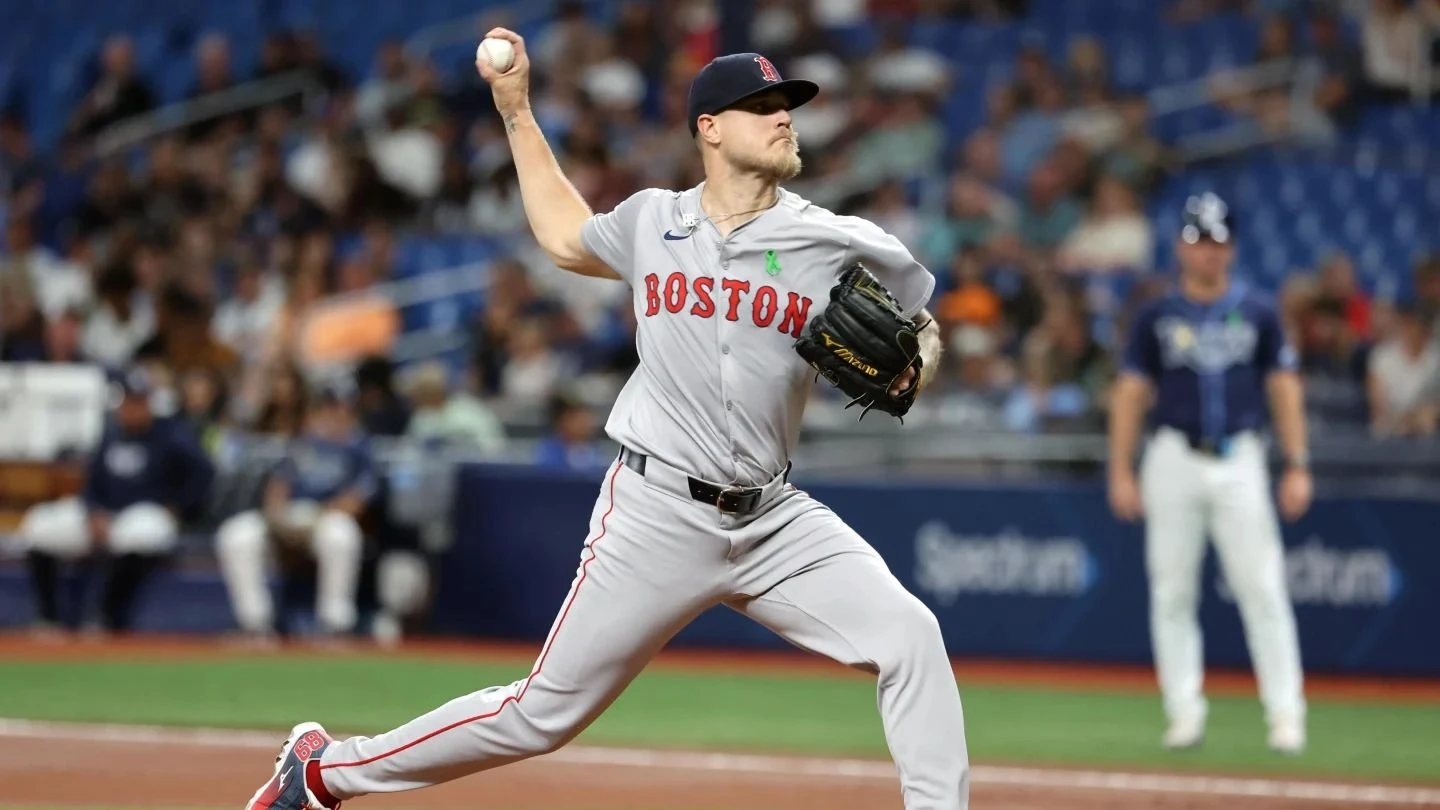
The strength a powerlifter needs to be successful is different than a baseball pitcher.
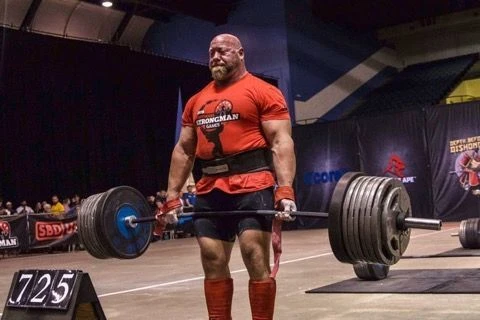
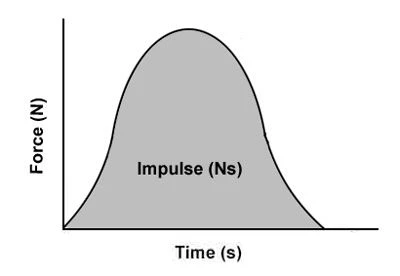
Powerlifters can take as long as they need to produce enough force to lift a weight. Baseball pitchers only have a very brief amount of time to produce force during a throw.
Peak or total amount of force production is the goal for powerlifters.
Impulse or how much force is applied over a specific period of time, is the goal for baseball pitchers.
Is strength important? Yes, strength is important in the right context.